
Barrett Brown is free from prison, but not from the crime he didn’t commit
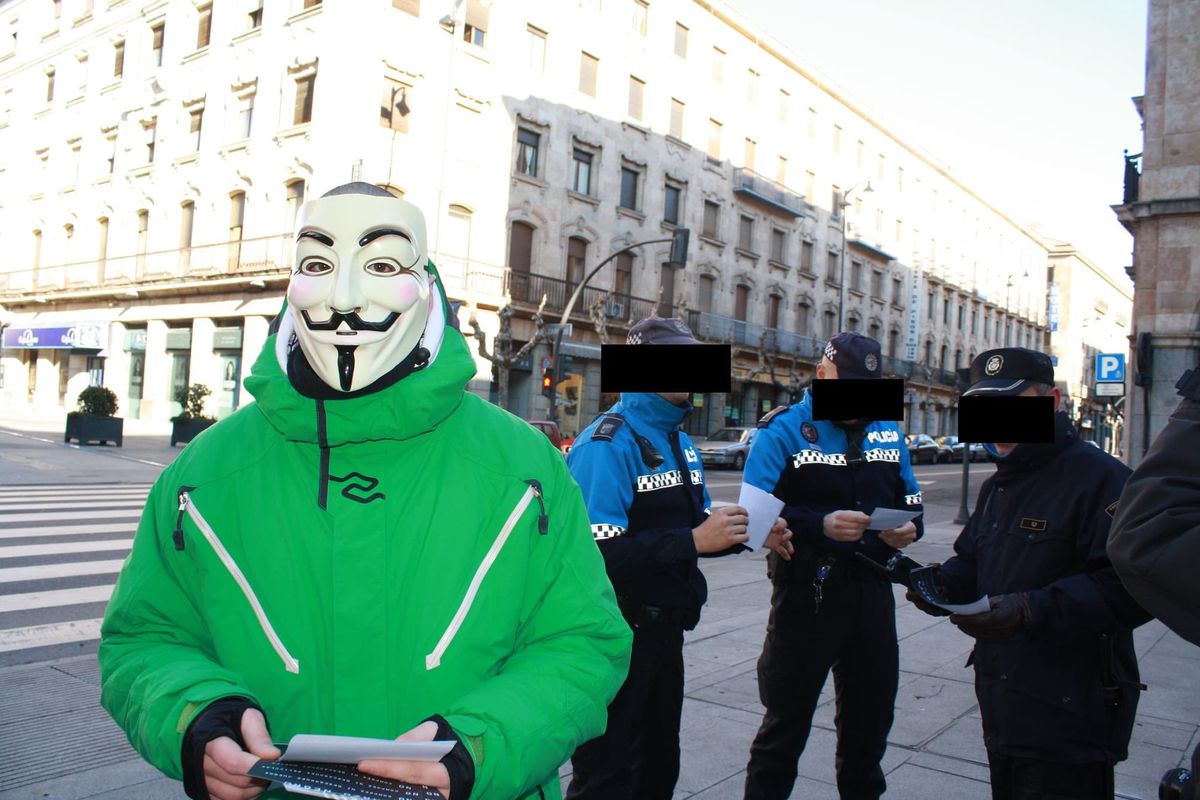
Journalist Barrett Brown is free, but will continue to pay
Journalist Barrett Brown was released from a Texas federal prison yesterday after serving over four years behind bars.
Brown was convicted after taking a plea bargain that admitted a role in the alleged hack of Stratfor—which he had nothing to do with until after the fact. He will continue to pay Stratfor some $200 a month for accessing data that had been independently hacked and available online for months by the time he saw it.
↩︎ posted Nov. 30, 2016
You have to remember, we’re the Freemasons. Only, we’ve got a sense of humor. You have to wield power with a sense of humor. Otherwise you become the FBI.
A profile of Brown pre-arrest, when he was still known (paradoxically) as the “spokesman for Anonymous.” The piece shows what a intrepid, dangerous force Brown could be against authority.
↩︎ D Magazine, posted Nov. 30, 2016
The marvel that was Barrett’s “Review of Arts and Letters and Prison”
Barrett Brown’s “review of arts and letters and prison” column, first published by D Magazine and then the Intercept, is one of the very best inside-prison looks at the horrors of the criminal justice system.
On ersatz Dungeons & Dragons, reading Gaddafi in “the hole,” eating mouse, and Kissinger’s biography, Brown’s dispatches are lucid, funny, and terrifying, especially given the weakness of the federal case that convicted him.
↩︎ posted Nov. 30, 2016
We live in a sort of silly cultural hell where the columns are composed by Thomas Friedman, the novels are written by Jonathan Franzen, the debate is framed by CNN, and the fact-checking is done by no one.
Barrett Brown did not enjoy receiving Jonathan Franzen novels while he was in prison.
↩︎ The Intercept, posted Nov. 30, 2016
One of the activities that earned Brown such a harsh sentence was his series of “threats” made against FBI agent Robert Smith, which he did while going through withdrawal and unwisely posted to YouTube. Watching the video now, with what passes for online discourse in the year 2016, feels almost quaint.
↩︎ posted Nov. 30, 2016