
Caught in a Secret History
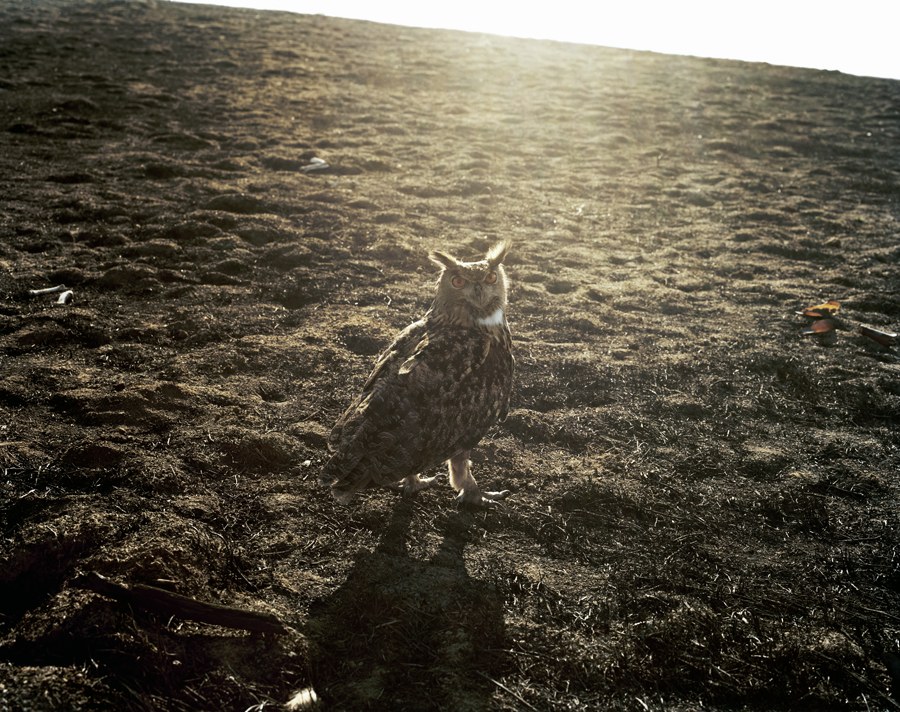
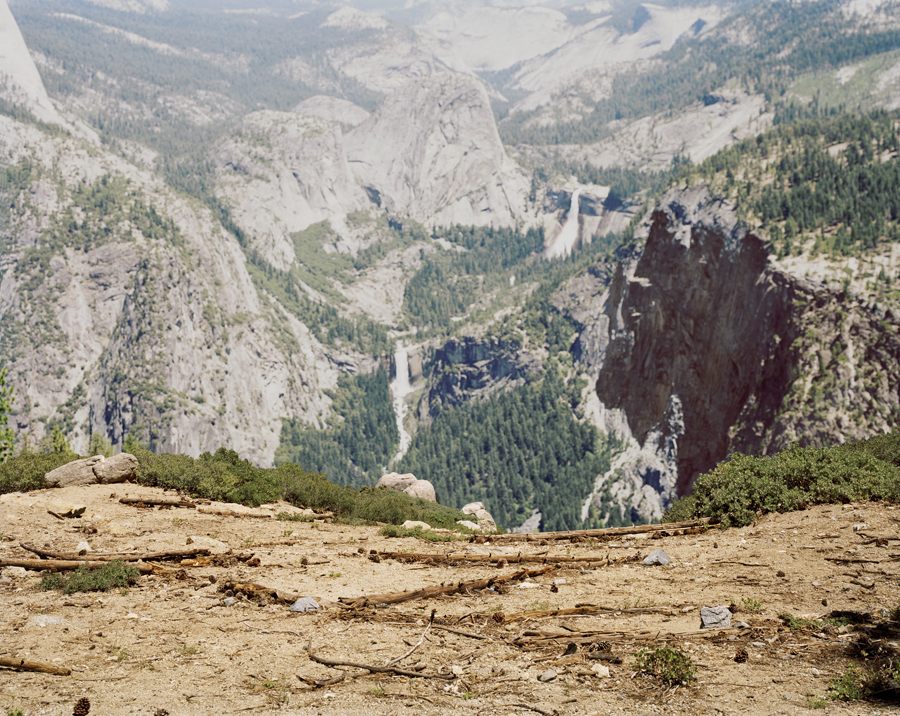
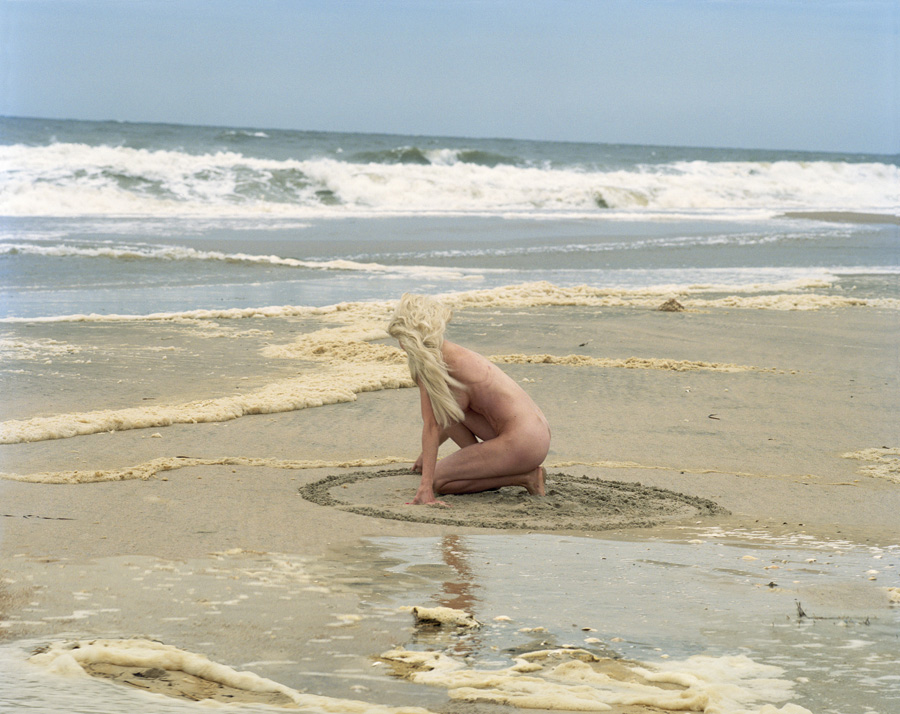
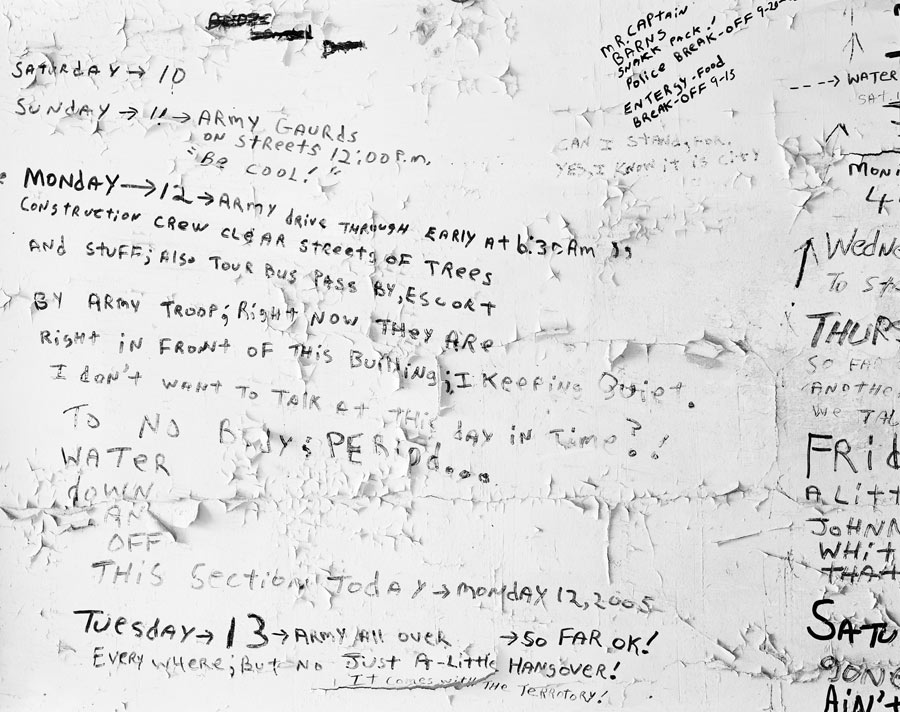
Photographer Michele Abeles’s haunting and incisive portraits and still lifes refuse to provide us with narratives. Instead, they make us wonder why we desired such neat and tidy stories in the first place.
Interview by Nicole Pasulka
There are so many stories suggested by your “Caught in a Secret History” photographs. Did you set out to with a narrative in mind for individual photos or the series as a whole?
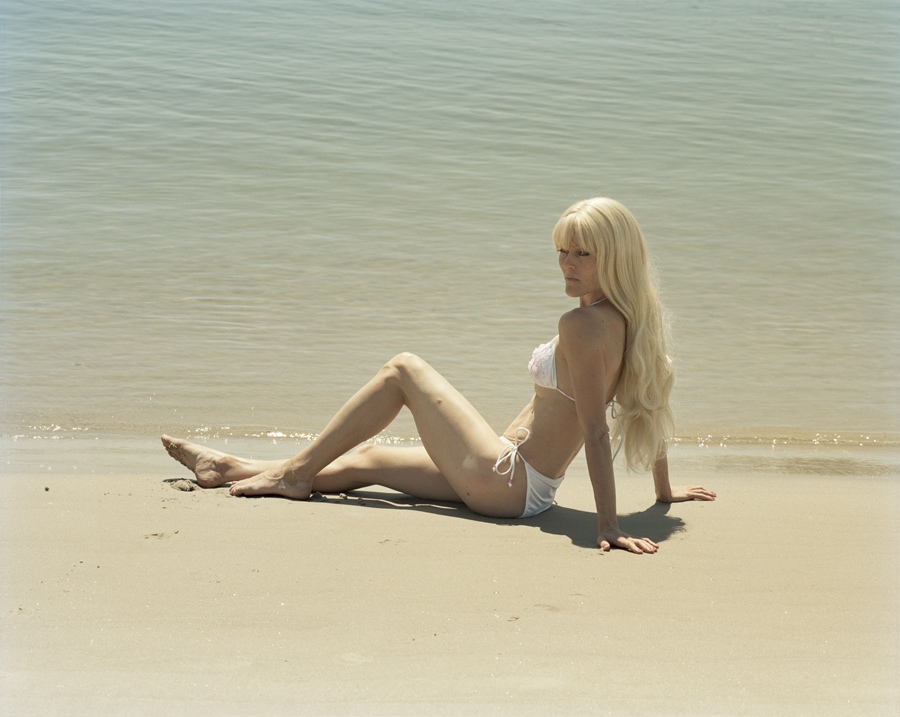
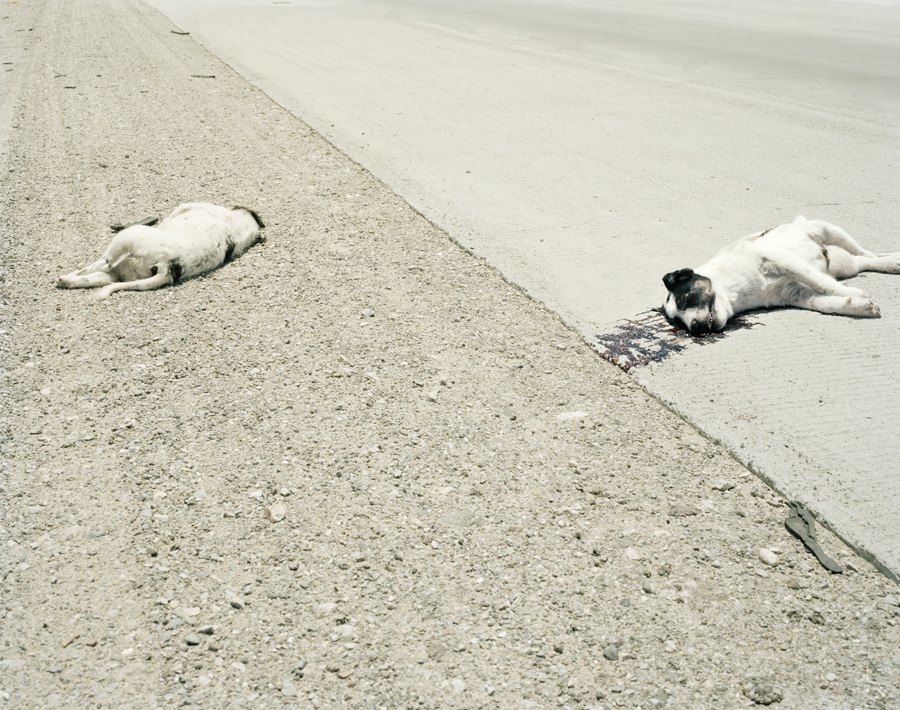
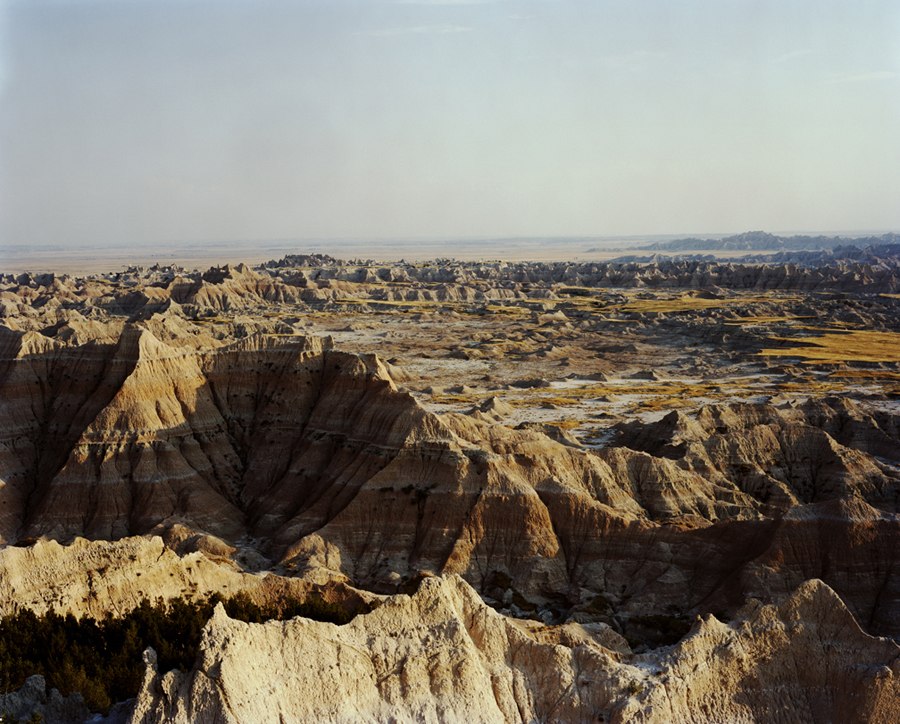
I didn’t have an overall narrative in mind or specific ones for individual images. My goal actually was to negate the inclination we all have to use narrative to form meaning, and to propose a world closer to how I view reality, where linear thinking isn’t usually possible. Continue reading ↓
All images used with permission, © copyright the artist, all rights reserved.
Interview continued
How did you decide what to photograph in “Secret History?”
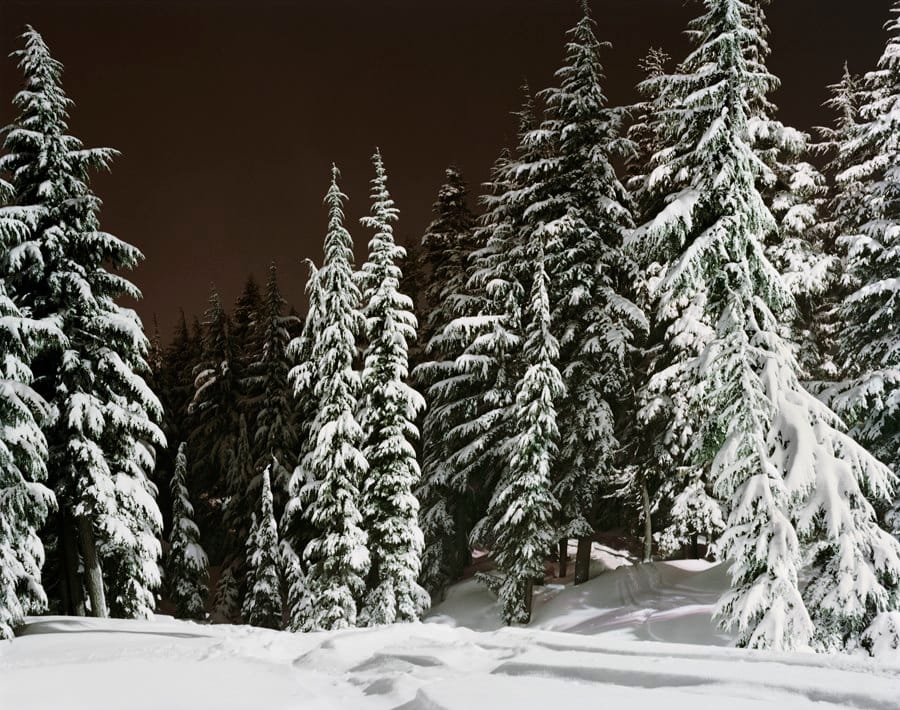
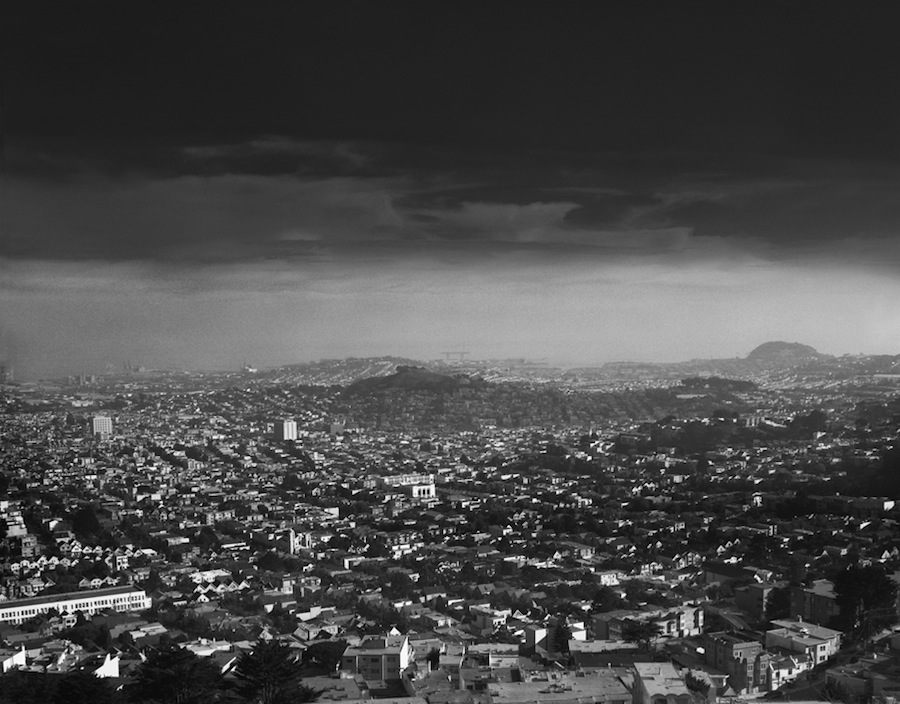
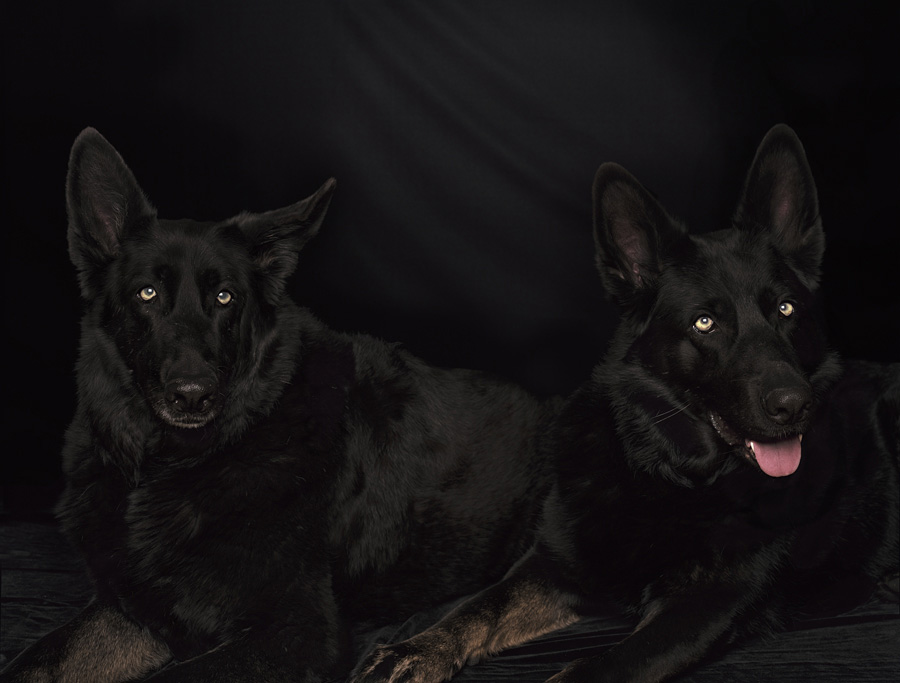
My method in that series, as in general, was to shoot a lot and then edit. Some images were found and then others planned. For instance, I would go to an area knowing I was interested in the landscape or traces of a recent historical event that had taken place there, then look for something that fit with the other photographs I already had and the general sense of the series that was slowly coming together. The earliest image in the group was the one of the black dogs. One evening I was driving to a friend’s place for dinner. In front of me was a truck with these two dogs staring at me from the trunk. Their eyes were shining from the glare of my headlights. I followed the car and asked the owner if I could take a picture of his dogs. He agreed, and I went from there to photographing the dogs in front of a black background. It became a simulation of something familiar, a pet portrait, transformed into something more iconic.
And now, shooting the new series “C. NOBODY,” how do you choose which objects to include in a still life?
I choose objects that are not heavily symbolically loaded, that can blend and transform depending on the combination of materials amongst themselves. I do like objects that allude to the natural, and the industrial, or that space in between.
What inspired this new project?
Most of what I do comes from a variety of impulses working together, which generally could be described as an interrogation of the medium and more personal questions I want to explore. With “C. NOBODY”, I wanted to look towards the future of the medium, immateriality, instead of exploring its past as materiality. Exploring the materiality of photography’s past seems to be in vogue at the moment and rather thin as a subject, in my opinion.
Your work makes me question the idea that there’s a clear distinction between posing and planning a shot, like a portrait or still life, and photographing something candidly. In both cases, planning can be meticulous, but anything can happen, and what you end up with might be very different from what you set out to capture. What kind of preparation goes into these photographs?
The “C. NOBODY” photographs are a mixture of planning and reaction—the combination of the expected and the unexpected is important to me. Typically I have some sort of architectural framework or a prop that I know I want to use. I use these as parameters to work within and hope for something unplanned to happen. I also photograph different amateur models, which throw in a lot of unknowns into each shoot. To me, the best photographs are the ones that are a combination of the expected and unexpected.
How do you understand your use of the figure/human subject in “C. NOBODY?”
Ultimately in “C. NOBODY” the figure is camouflaged, dehumanized, and de-individuated. Individuals become a generic whole but still maintain humanness in their body language and, for instance, on the surface, the texture of their skin.
How’s it different from your portraits in “Caught in a Secret History?”
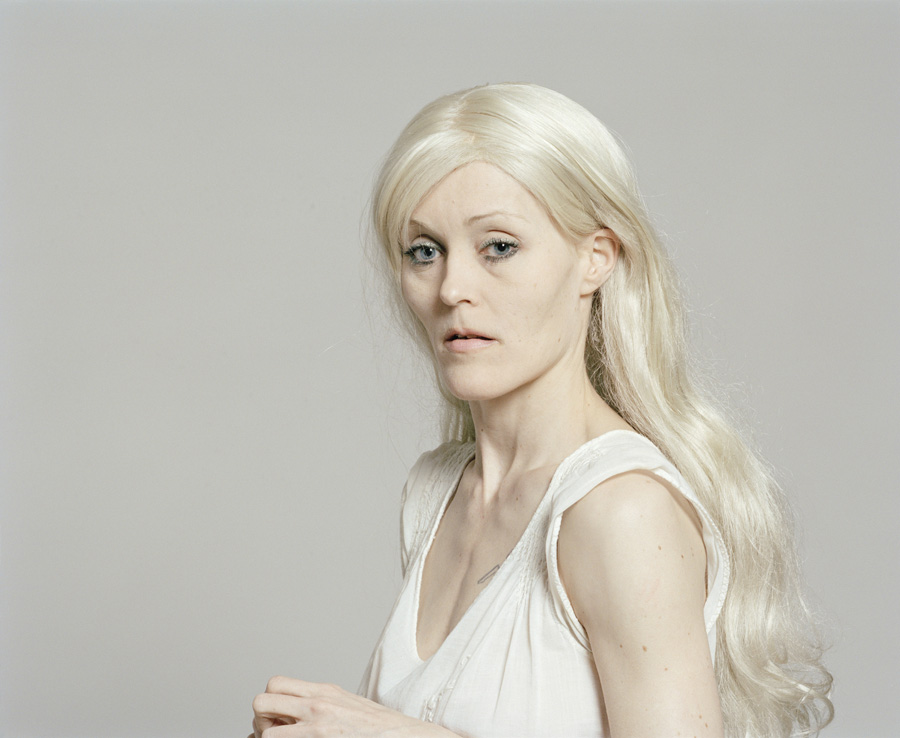
In “Caught in a Secret History,” there are different images of a single person. She is the synecdochic part that comes to represent the whole. Individually she exudes an emotionality that impresses itself on the rest of the series.