
OSIRIS-REx Is Headed to an Asteroid to Bring Back Dust
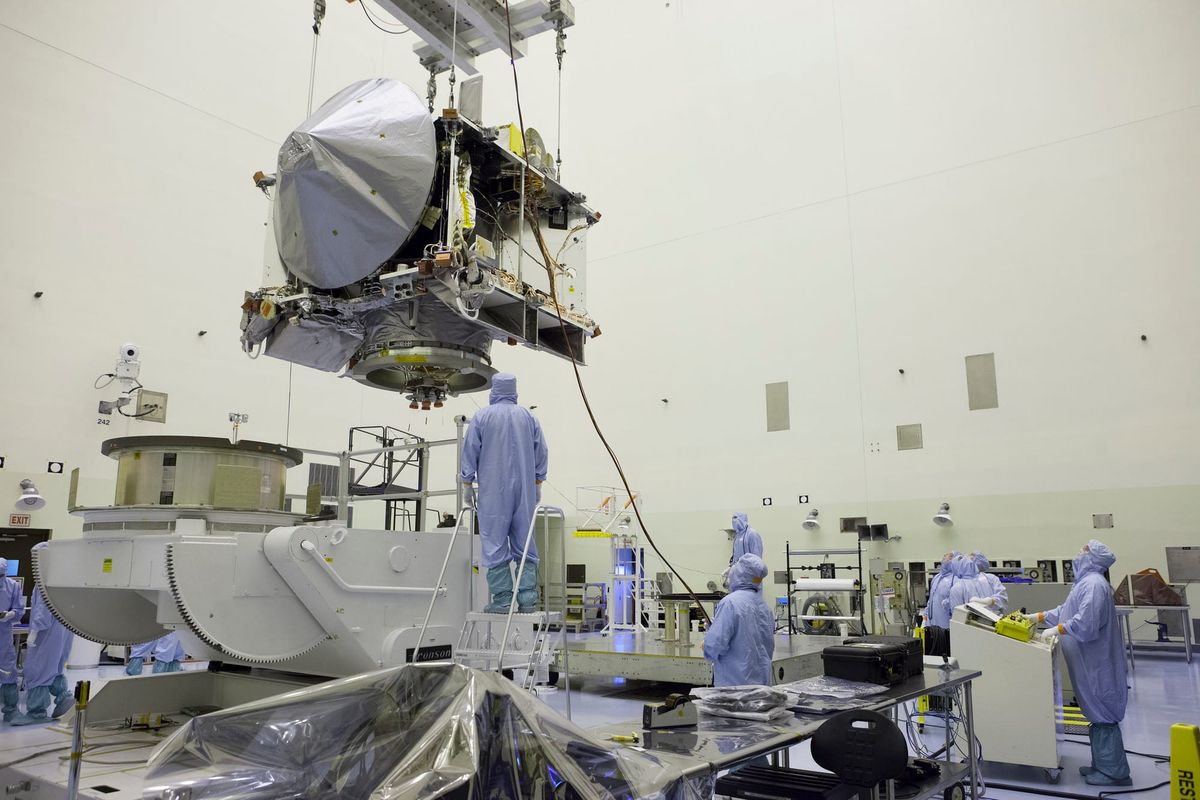
NASA launches robotic spacecraft that will visit Bennu, a carbon-rich asteroid the size of several city blocks with the hope of finding clues to the chaotic beginnings of our solar system—and a window to the origin of life.
↩︎ posted Sept. 11, 2016
OSIRIS-REx lifts off aboard an Atlas V rocket. After a minute, it goes supersonic. After 90 seconds, it reaches peak stress due to the combination of velocity and remaining atmosphere. At two minutes, it is going 2,500 miles per hour, weighs half what it did at liftoff, and is headed for space.
↩︎ posted Sept. 11, 2016
By the time the spacecraft arrives at Bennu in 2018, there will be no spacecraft visiting or en route to any of the outer planets—Jupiter, Saturn, Uranus, and Neptune—for the first time since 1979.
In a hostile funding environment, OSIRIS-REx’s launch is a bright spot in an otherwise dim picture for space exploration.
↩︎ The Planetary Society, posted Sept. 11, 2016
No, Asteroid Bennu Will Not Destroy Us
Principle investigator of OSIRIS-REx mission to asteroid Bennu does the math to dispel rumors NASA mission is a last-ditch effort to save humanity—even if it hit Earth and caused a “major natural disaster,” it wouldn’t end society.
↩︎ posted Sept. 11, 2016
Related: Launch satellites into the sun, travel time, and save humanity in Spaceplan, a charming strategy game for the background of your browser.
↩︎ posted Sept. 11, 2016