
Pull Back the Shade
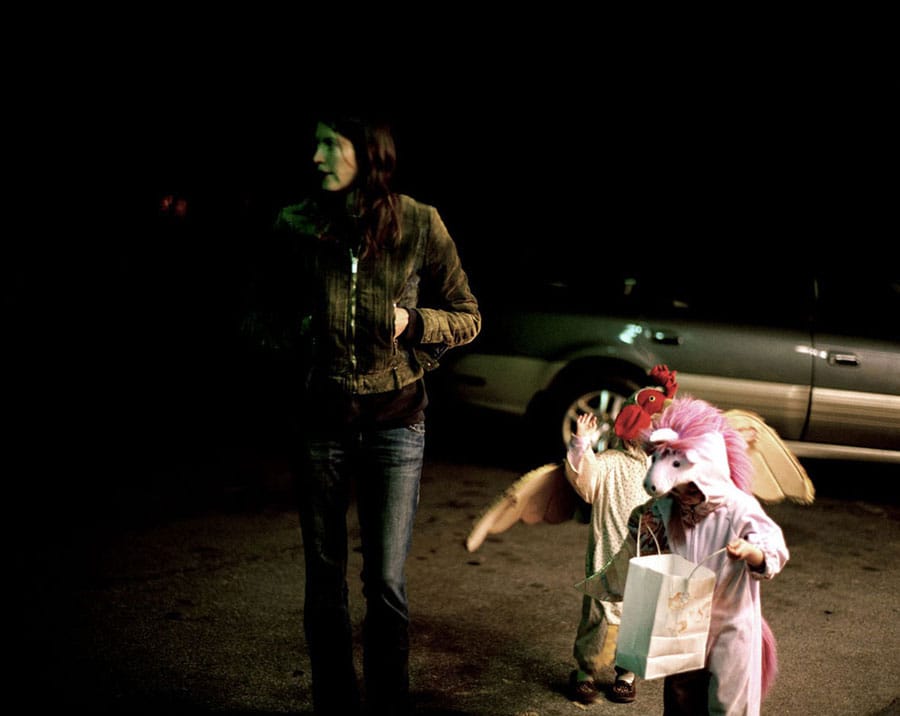
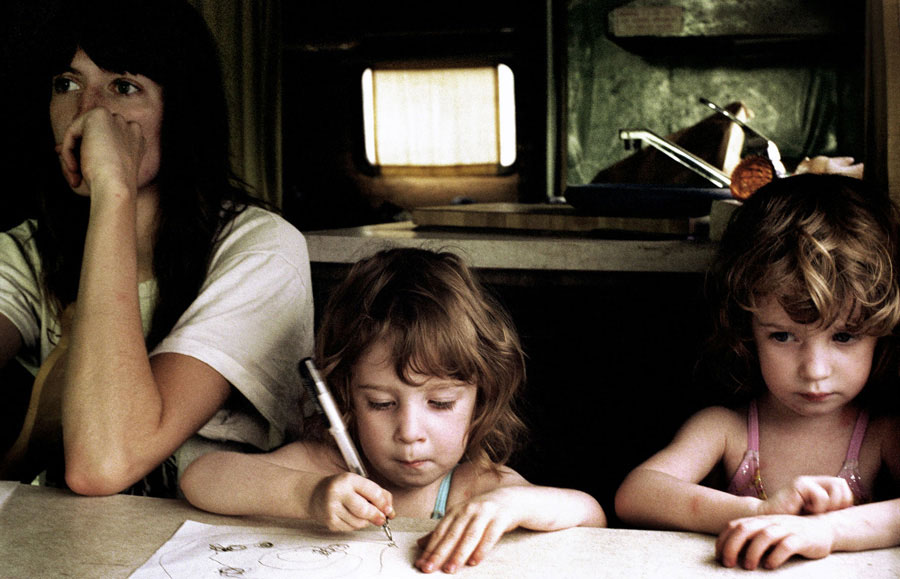
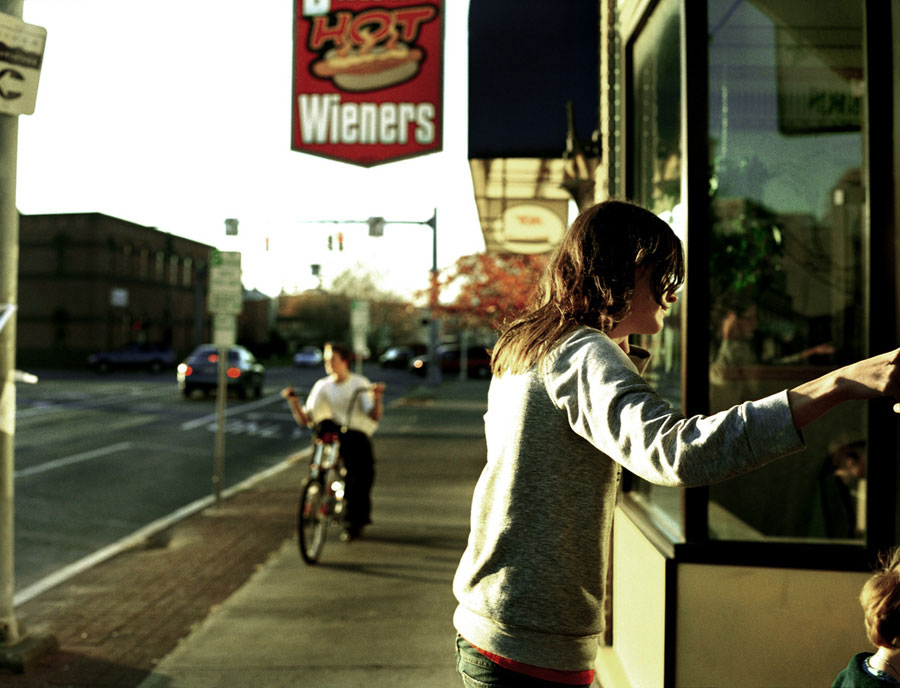
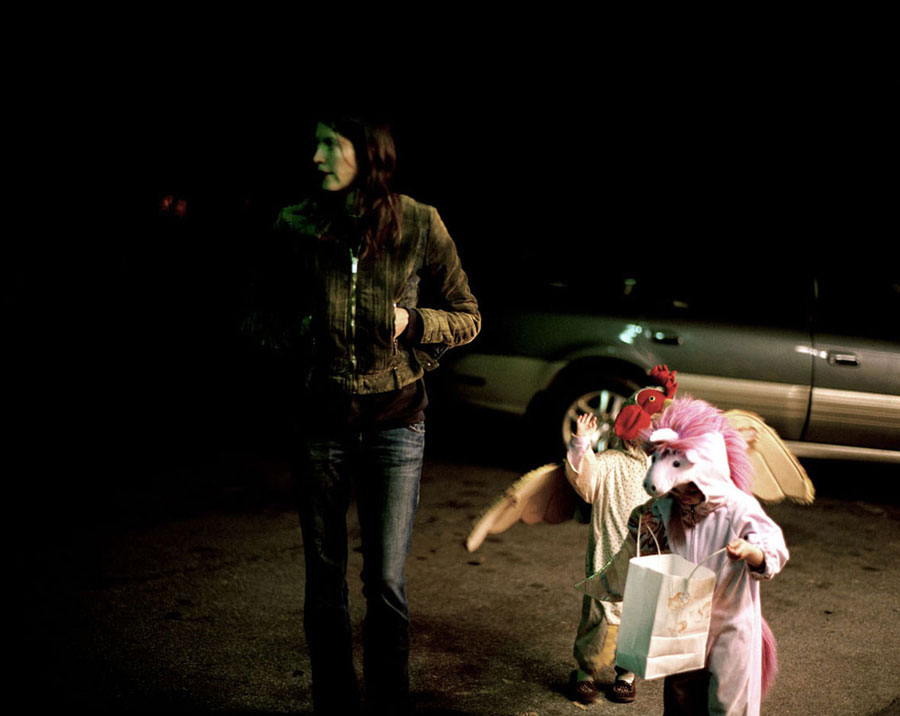
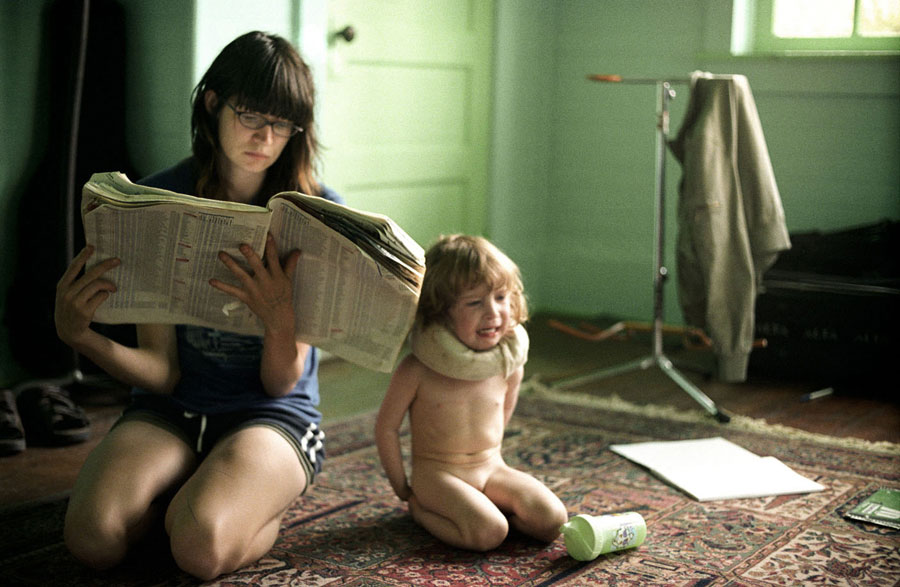
Muzi Quawson spent four years documenting the life of Amanda Jo Williams, a young mother and musician in Woodstock, NY. The results are familiar to anyone who’s spent time in New York and New England’s rust belt: young people living amid the debris of failed industry and the lost hippie years.
Interview by Bridget Fitzgerald
How did you meet Amanda? How did it work over four years?
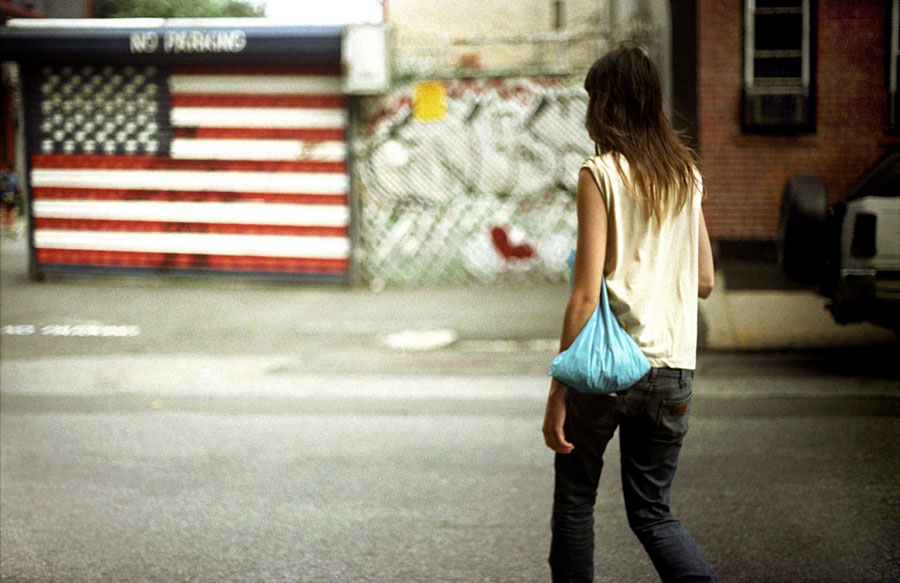
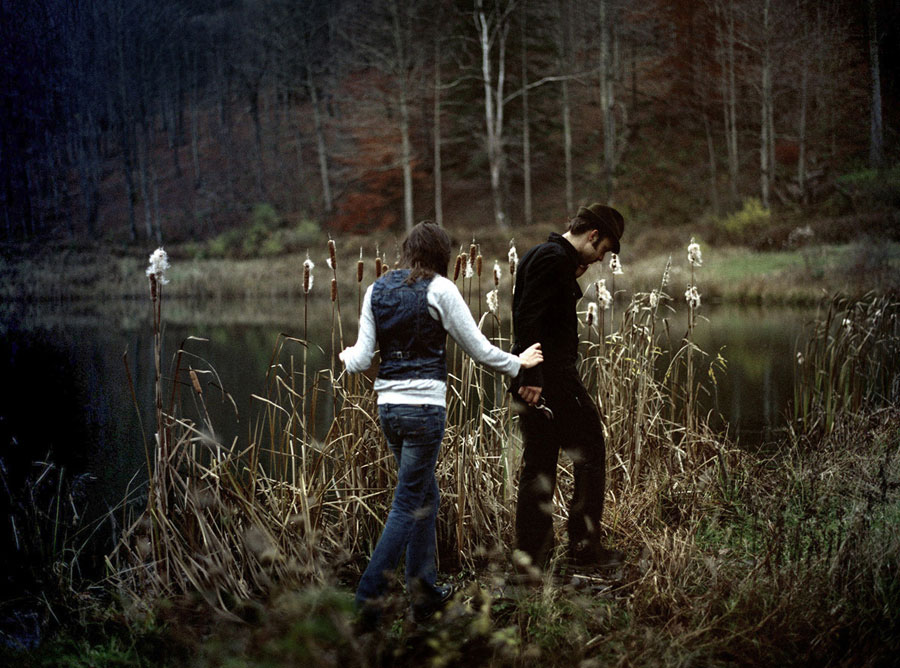
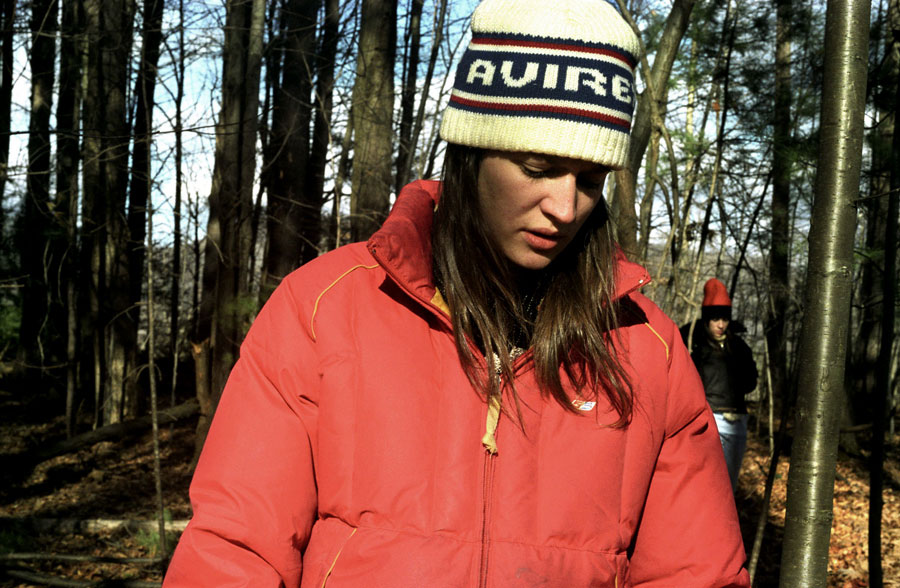
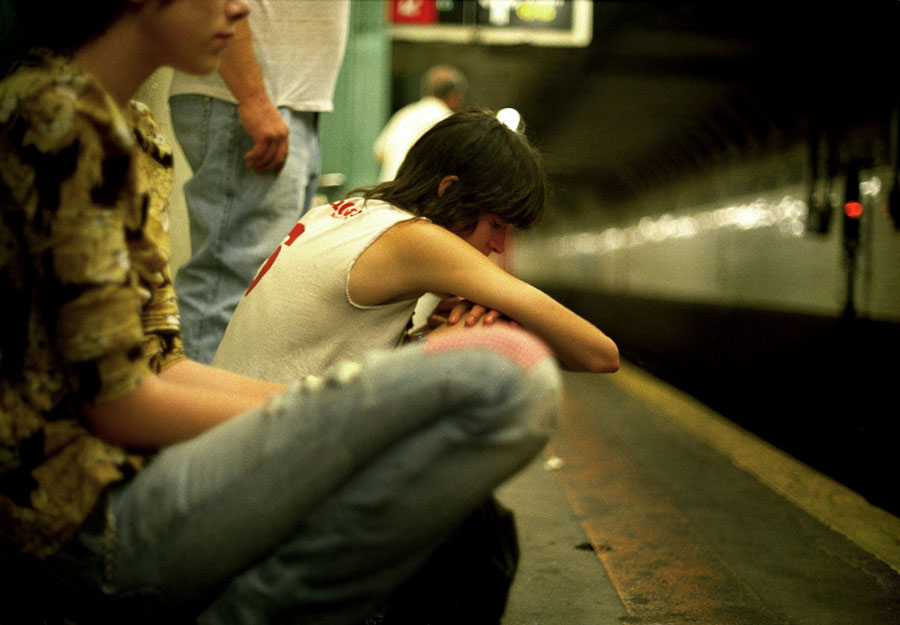
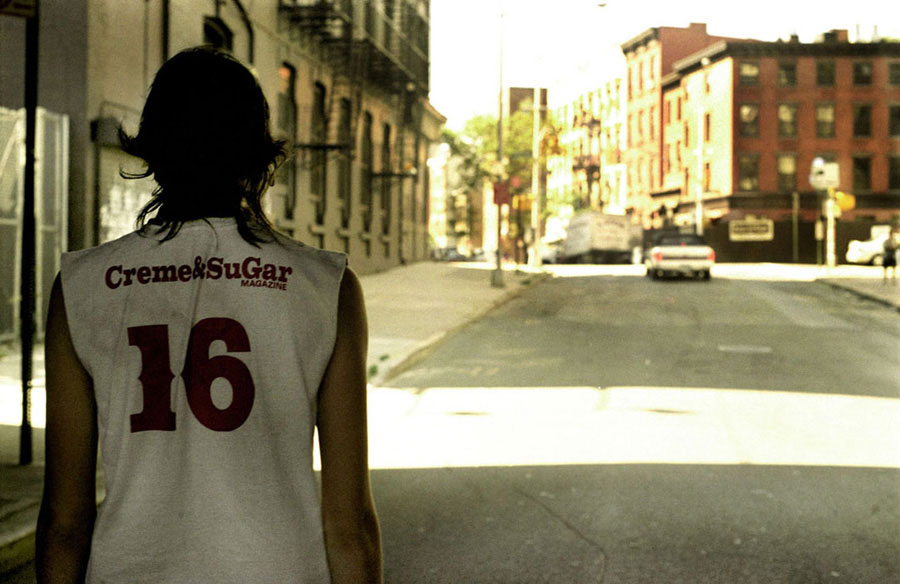
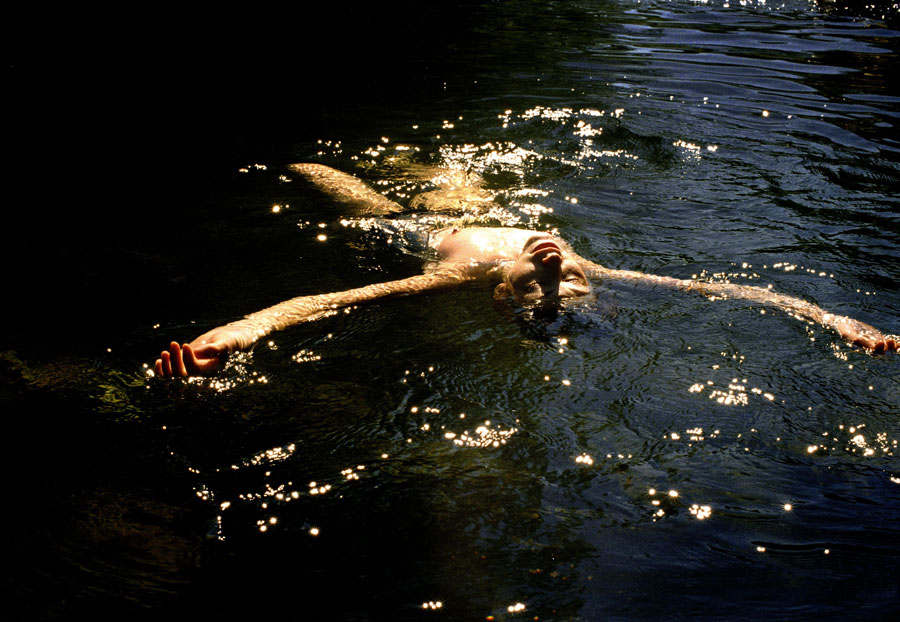
“Pull Back the Shade 2004” is a pictorial journey, documenting with total candor Amanda Jo Williams’s relationship with her partner and young twin daughters. After a chance meeting in Manhattan in 2002, I became friends with Amanda. Over these four years I lived with Amanda staying for three months with each visit.
Amanda invited me to stay with her family in the bohemian town of Woodstock, upstate New York. The town’s name is synonymous with the Woodstock music and arts festival in 1969—a free festival where nearly 400,000 people came together to celebrate peace and love—this has been romanticized and idealized in American popular culture as the culmination of the hippy movement. Nearly 40 years later, the festival’s mythical resonances continue to permeate the municipality and inform the lifestyles of its inhabitants. Continue reading ↓
“Pull Back the Shade” was first shown at the Tate Britain; it’s currently on view through March 29, 2008 at Yossi Milo Gallery, New York. All images © Muzi Quawson, courtesy Yossi Milo Gallery, New York.
Interview continued
Do you think this is a new American story? An old American story? A rural American story?
This piece functions as a quiet contemplation on the nature of identity, which does illustrate a contemporary American society and the various social, financial, and political structures that define it.
Some of the places you went together—Woodstock, Asbury Park, New York City—are all major pinpoints on the map of American music. How did Amanda connect? How did you connect?
The geographical context definitely allowed Amanda to live out her life vicariously through the cultural products or the trappings of given scenes—say a music scene—all of which was underwritten, or informed by their position as cultural producers. This is what allowed Amanda to travel, mix, and wander in and out of different locales or scenes.