
The Interiors of Art
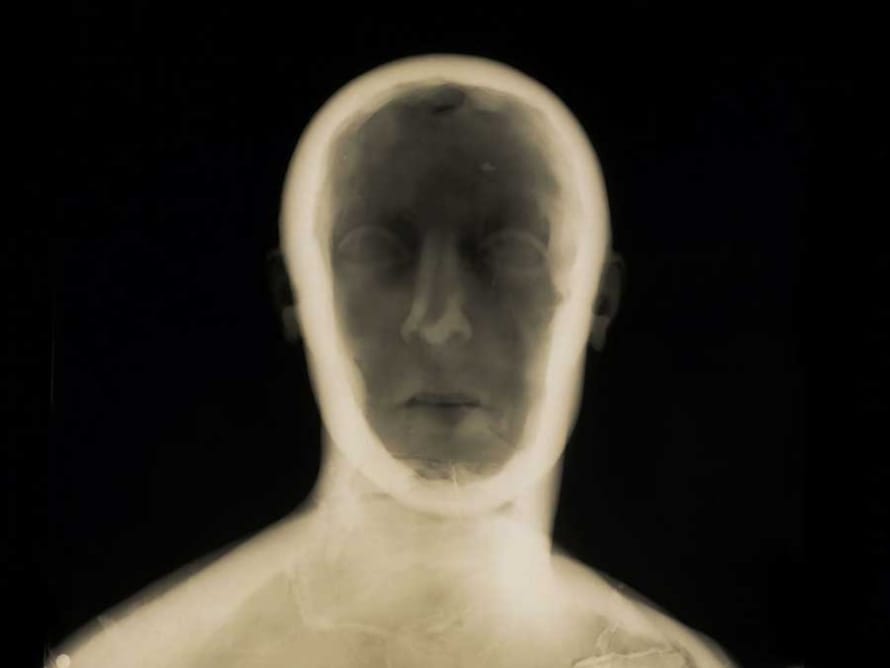
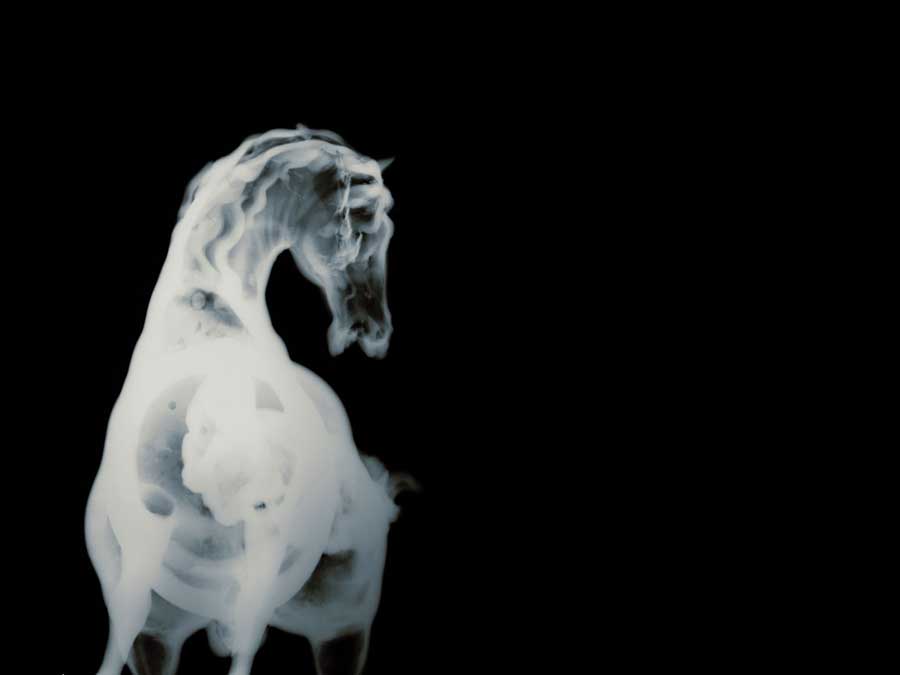
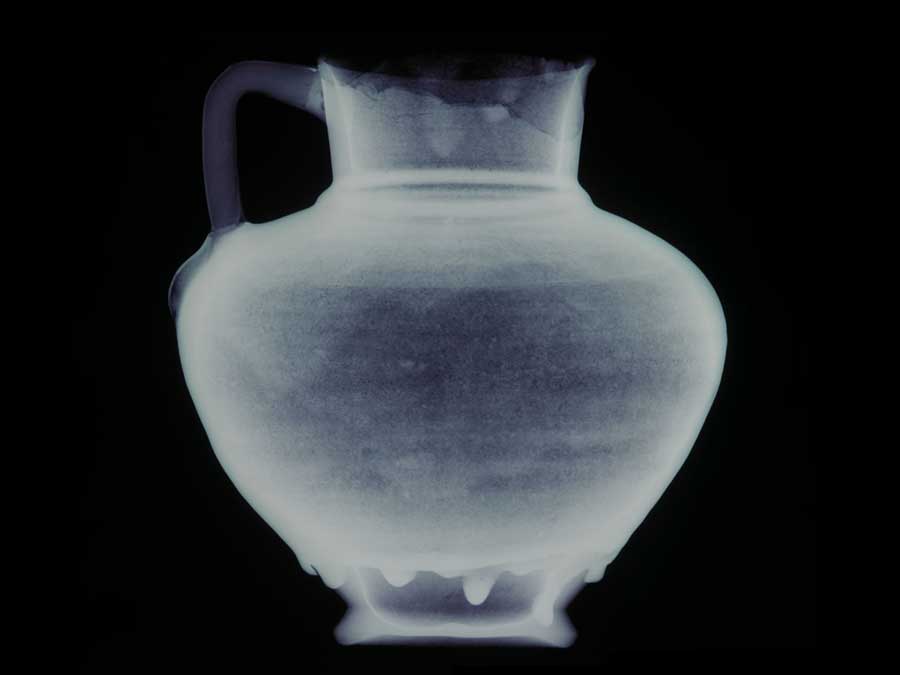
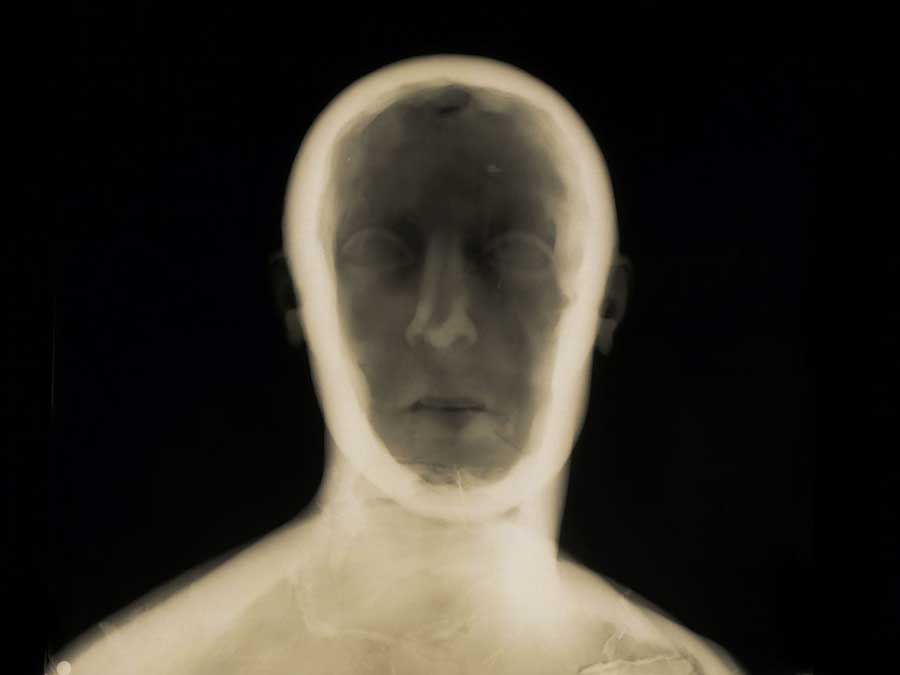
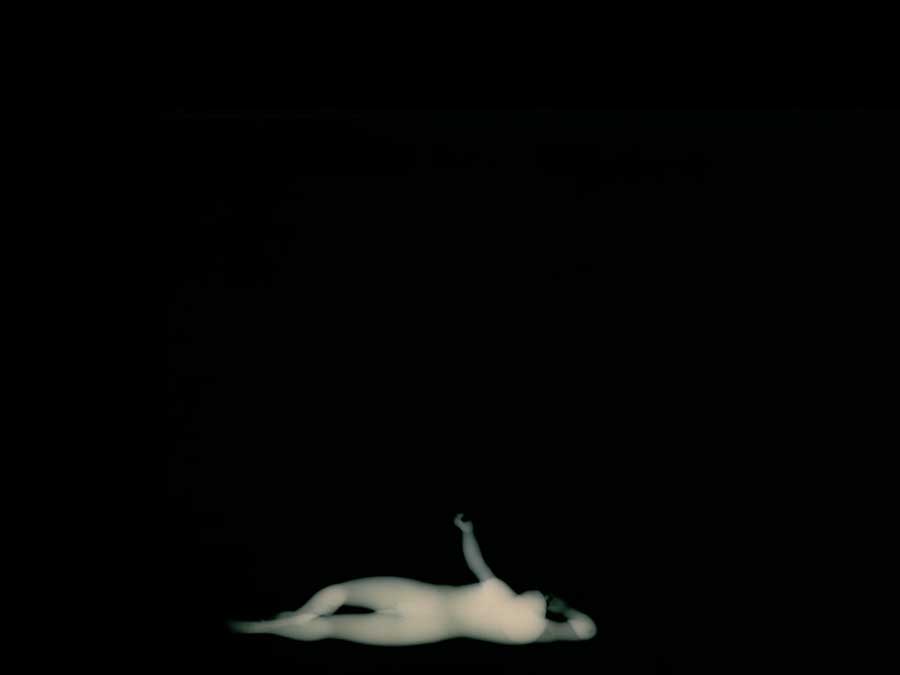
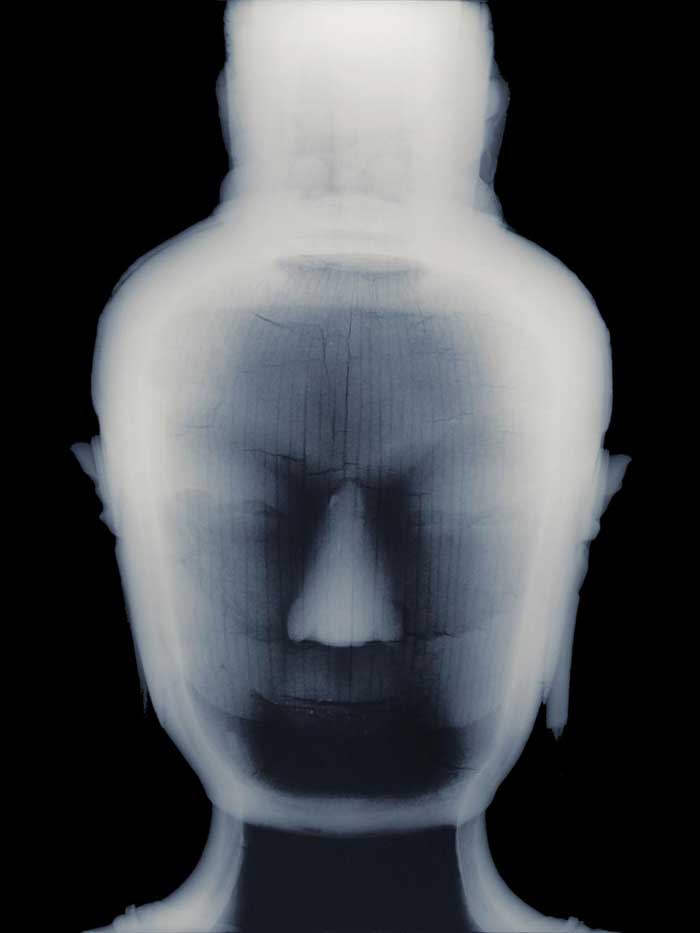
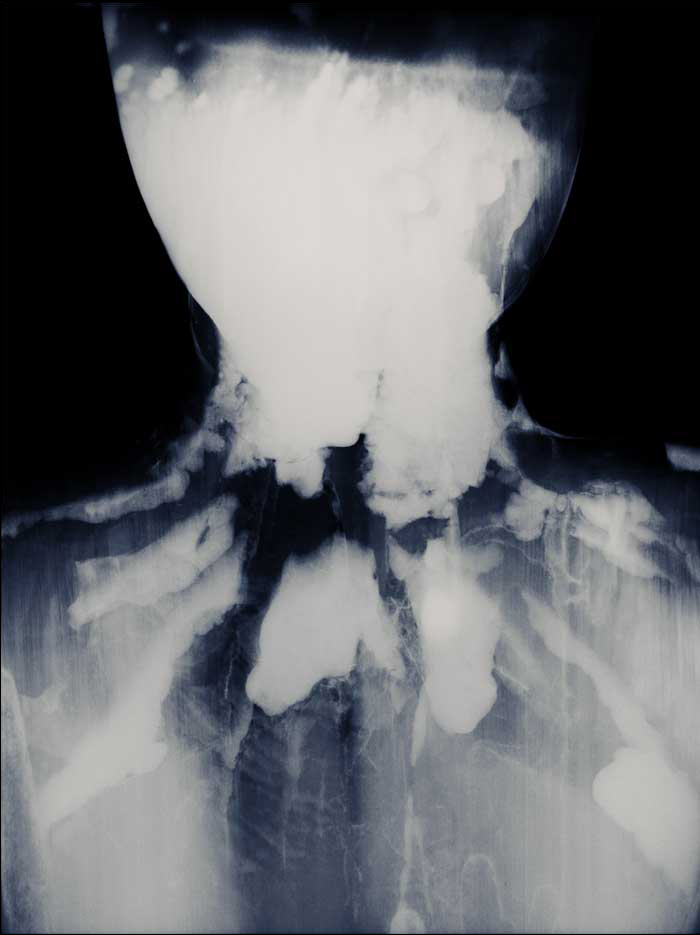
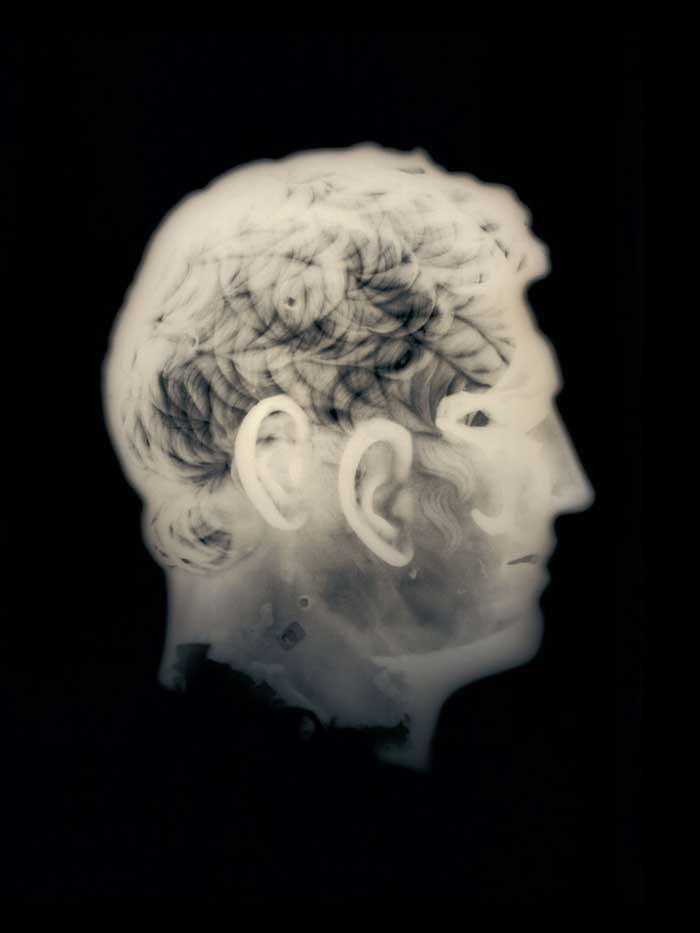
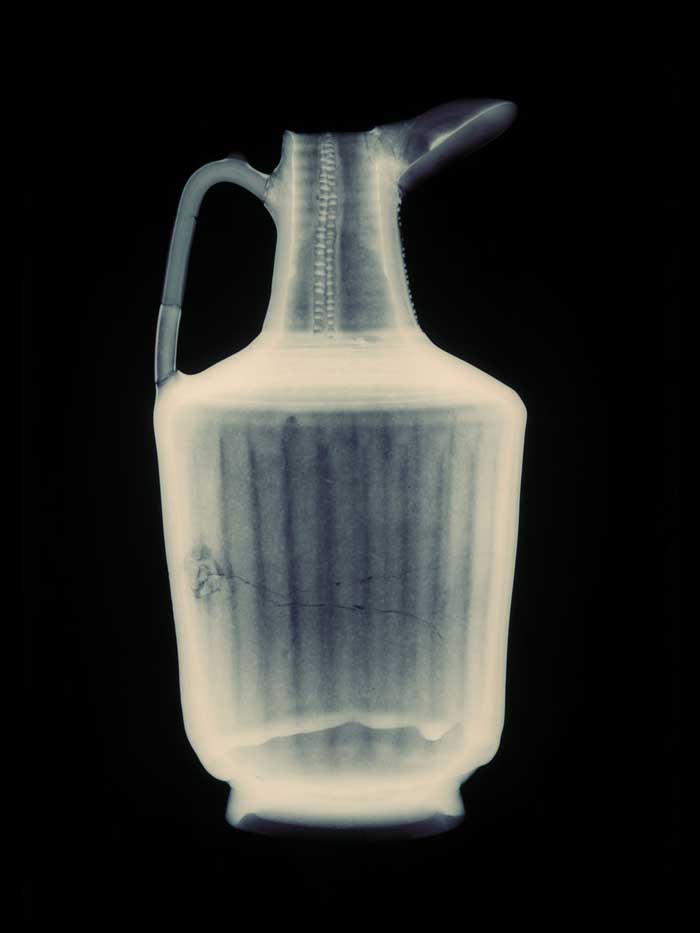
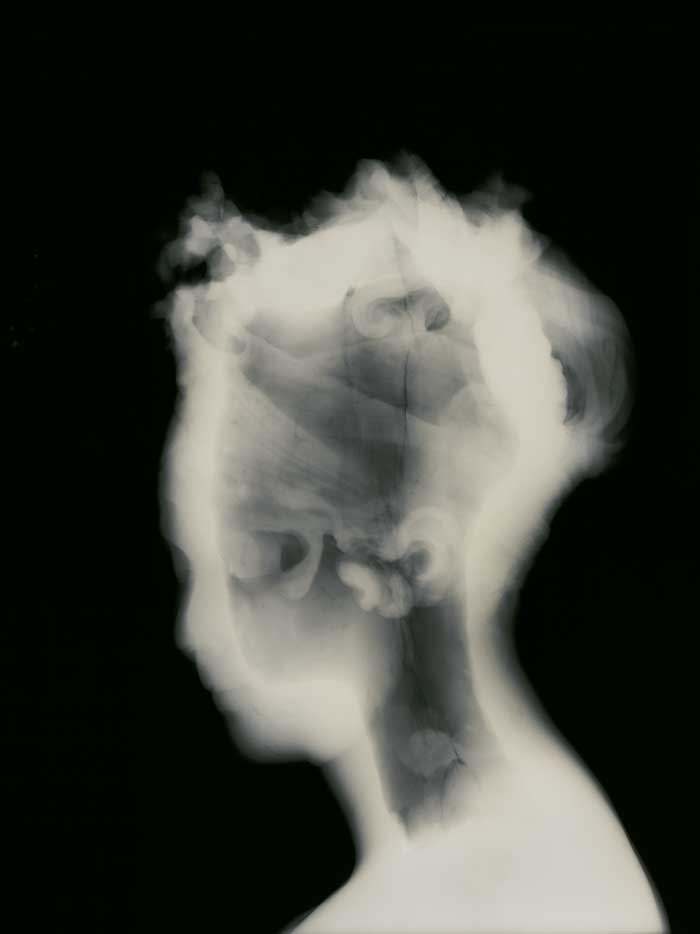
These x-rays of ancient and contemporary artwork were created to serve as a tool for art historians and conservators, but their ethereal yet familiar silhouettes become something more in David Maisel’s photographs.
Interview by Nozlee Samadzadeh
Why did you decide to x-ray museum artworks?
Actually, I am not making the x-rays myself; rather, I am re-photographing existing x-rays from art conservation archives depicting sculpture and artifacts from antiquity through the early 19th century, then scanning and digitally manipulating the selected source material.
As a visiting artist at the Getty Research Institute several years ago, I became interested in exploring ways in which technology was allowing us to see the world differently, to visualize things that might previously have been invisible. I began spending time in the art conservation labs, and became enthralled by the ghostly, spectral images of x-rays of artworks that I saw there.
“History’s Shadow” is on view at Haines Gallery through June 4, 2011, and coincides with the release of a new monograph, History’s Shadow (Nazraeli Press, 2011) by David Maisel, with a short story by Jonathan Lethem. All images © copyright the artist, courtesy of the artist and Haines Gallery, all rights reserved.
Interview continued
Do the x-rays serve any practical purpose for museum curators?
Yes. The x-ray has historically been used for the structural examination of art and artifacts much as physicians examine bones and internal organs; it reveals losses, replacements, methods of construction, and internal trauma that may not be visible to the naked eye.
How did you pick which pieces to use? Do some objects produce more impressive results than others?
I am culling through thousands of x-rays; my methods of determining which ones to re-photograph are made aesthetically; it is an entirely subjective and somewhat instinctive response to something within the x-ray image itself. I intentionally do not research the actual art object itself until I have decided to include its re-worked x-ray in the project. I have found that the most interesting x-rays seem to have been made about 50 years ago; the original artworks might be made of wood, bronze, terra cotta, or stone.
What has been the reaction from the museums you’ve worked with?
I’ve worked with x-ray archives from both the Asian Art Museum of San Francisco and the Getty Museum in Los Angeles. Both institutions have been wonderfully supportive, if at first perhaps a bit mystified by my interest!
How do you think the original sculptors and artists who made these works would react to their x-rays?
I can only wonder. I hope that they’d be mesmerized.
What are you working on now?
A monograph of History’s Shadow will be released this fall. Published by Nazraeli Press, it will also include a short story by Jonathan Lethem, written in response to the History’s Shadow images.