
Field Dressing
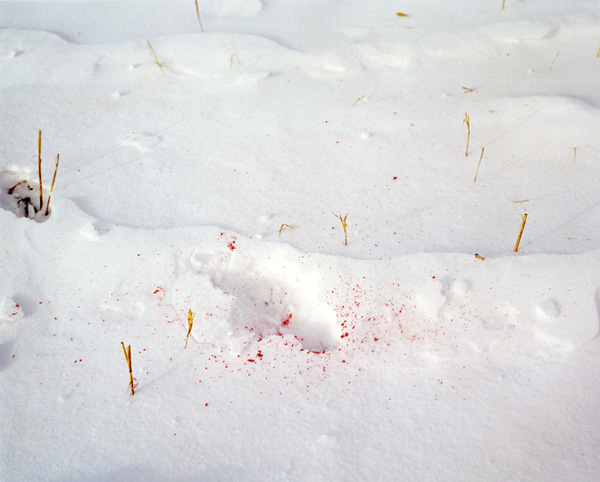
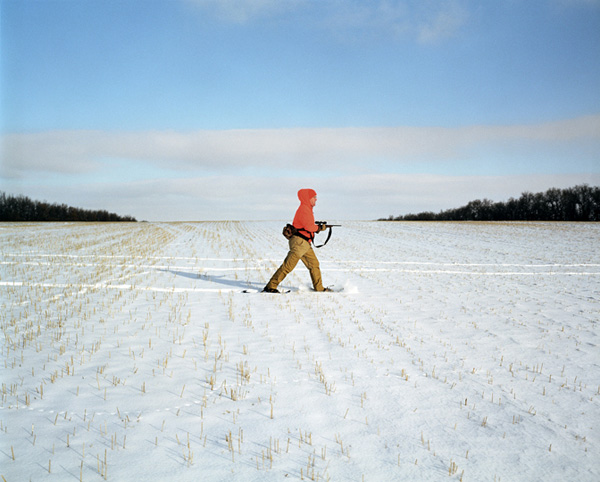
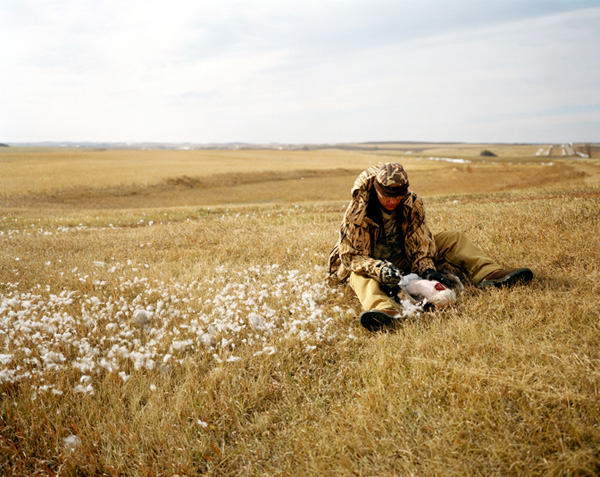
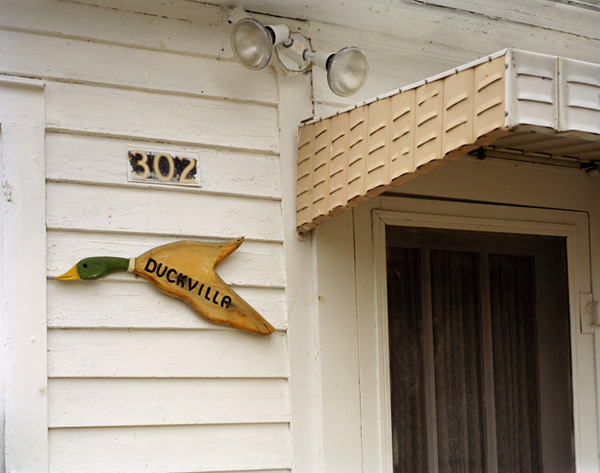
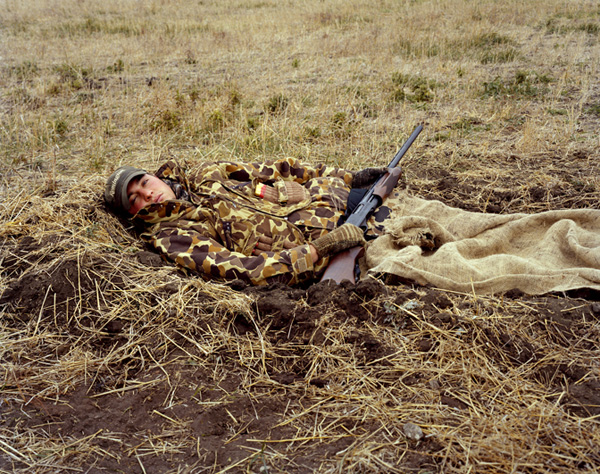
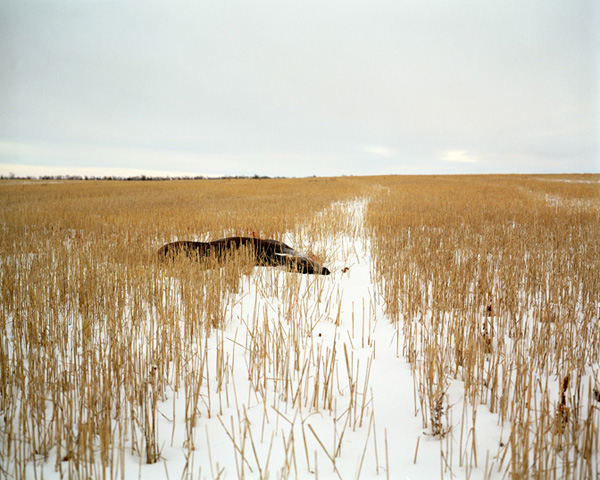
For non-hunters, the idea of a hunting trip is defined by violence; for hunters, it’s rarely involved. A chat with photographer Brian Lesteberg and a gallery of pictures from North Dakota.
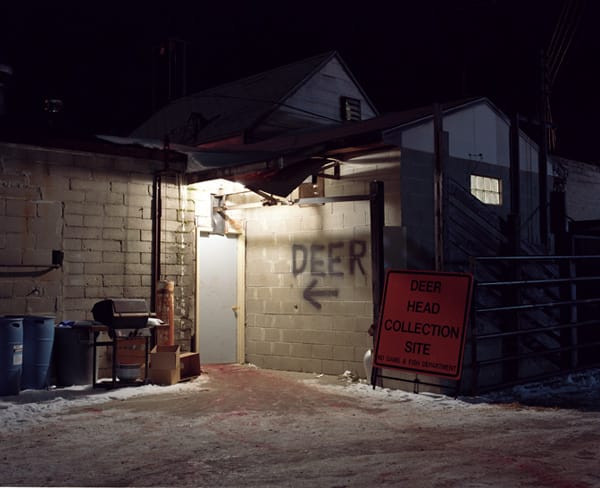
Interview by Nicole Pasulka
TMN: In your artist’s statement, you say your father raised you to be a hunter. When did you start hunting? Where did you grow up? Are you still an active hunter?
BL: I took a hunter’s education class around the age of 12 and was hunting shortly after that. I was raised in Fargo, ND. I am still an active hunter, even while carrying a camera. Continue reading ↓
All images used with permission, © copyright the artist, all rights reserved.
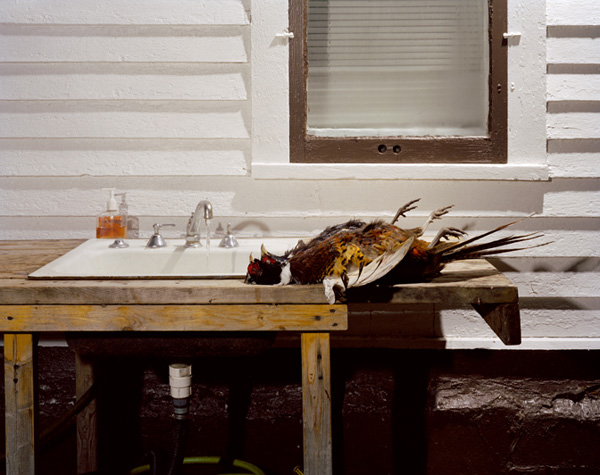
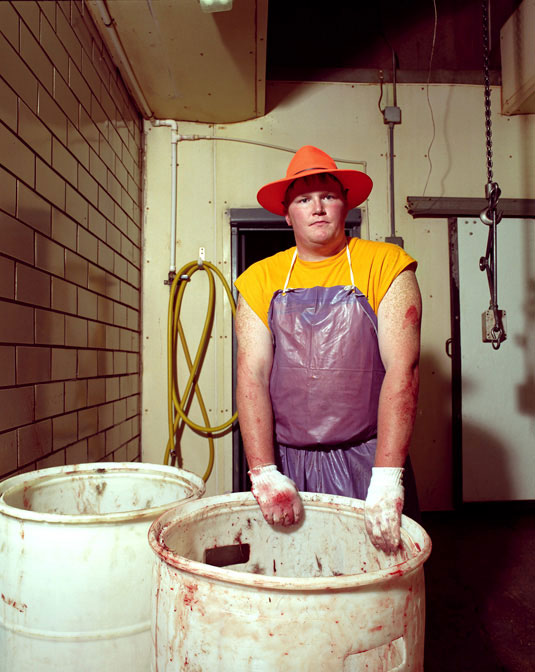
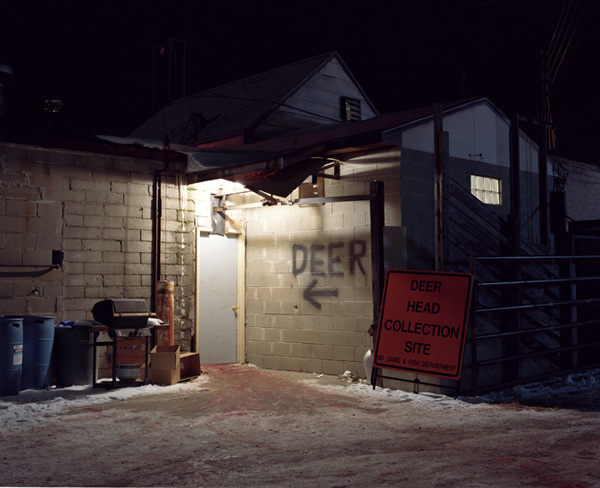
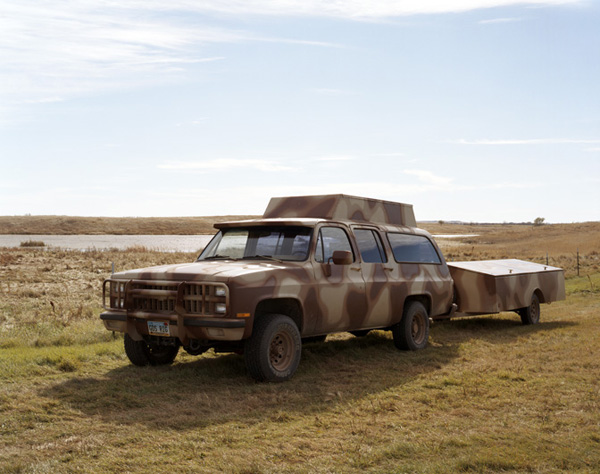
Interview continued
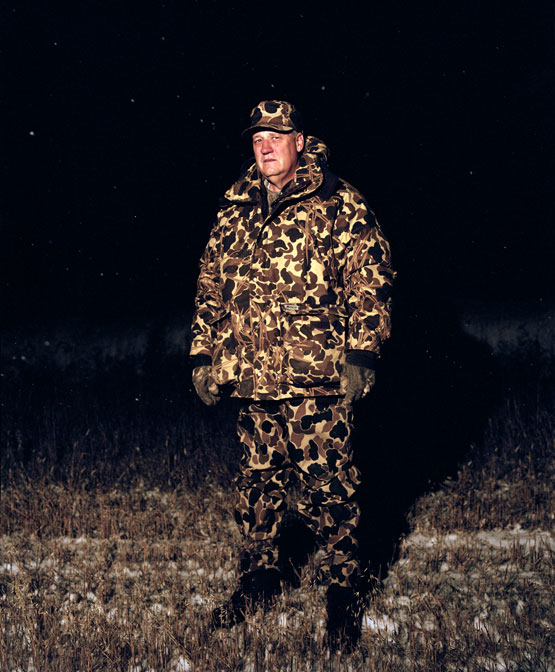
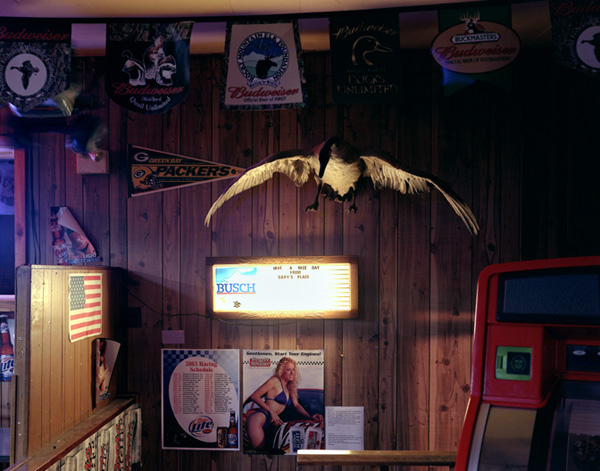
TMN: All the hunters in the photos are men, and the only woman I remember seeing in the series is a girl in a bar poster. Do women have a place in this world you’re capturing?
BL: That is a very good question. To date, as a work in progress, I have primarily focused on photographing in the field and the participants of the hunting trip.
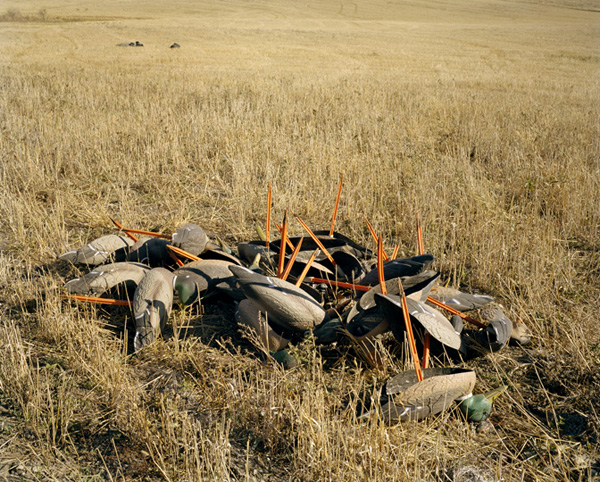
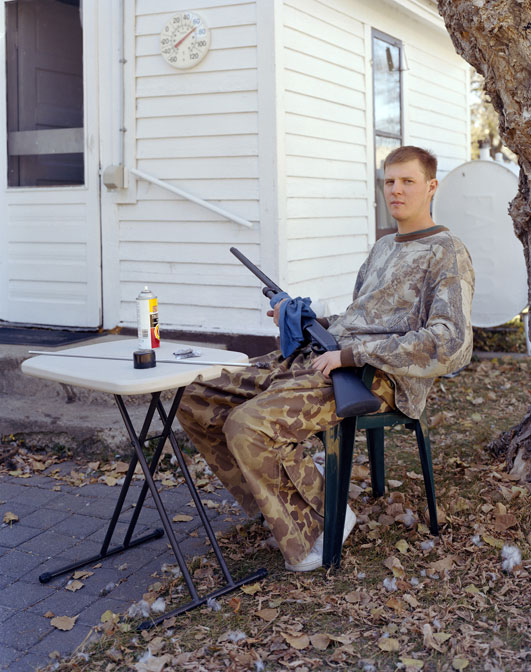
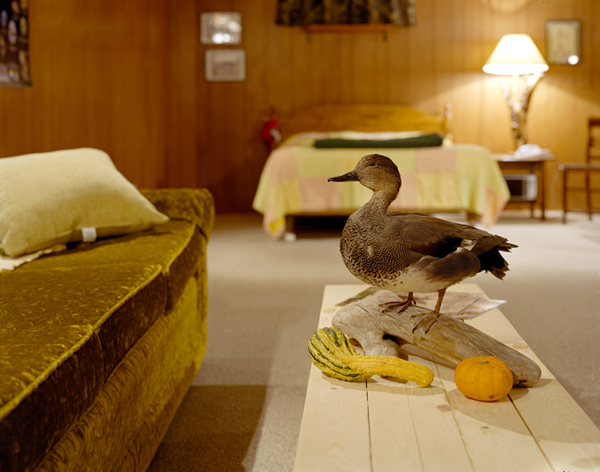
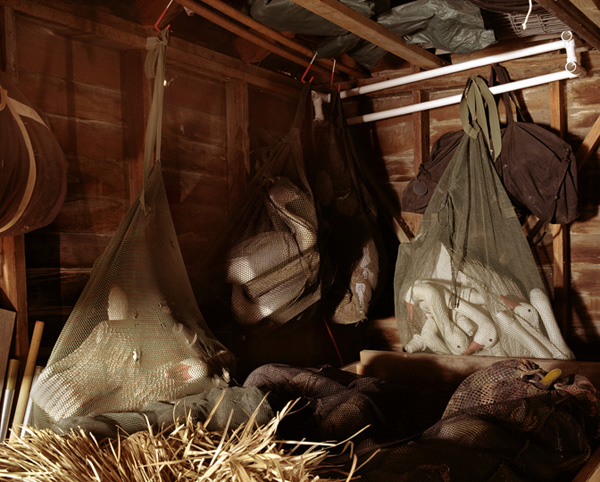
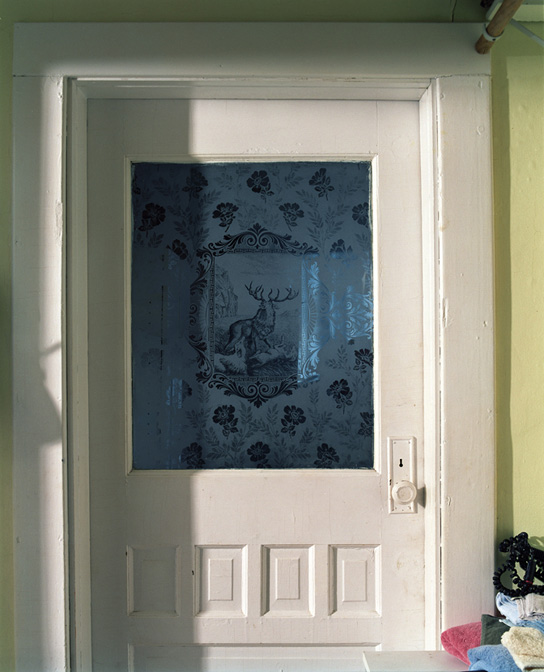
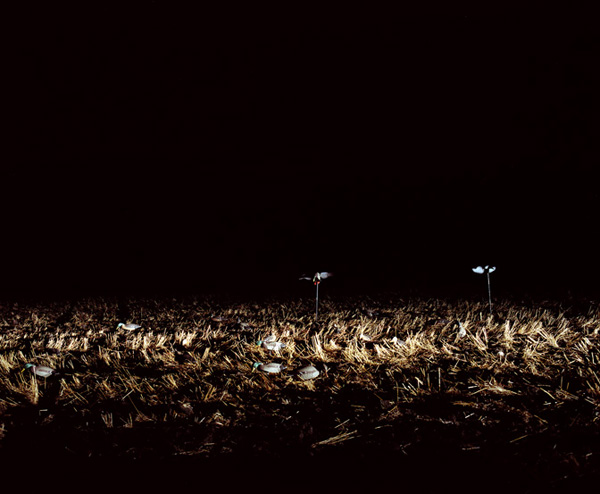
TMN: Your pictures all have a significant stillness to them—it’s as though life’s been paused right before something significant is about to happen.
BL: To me, hunting is entirely about strategy and patience, above all.
The kill happens so fast, its significance can easily be neglected compared to the hours of non-event that might consume an entire day.
Traditional photography celebrates the trophy kill. That is not what interests me concerning this project and especially hunting.
TMN: Do you deliberately set out to capture people without expressions, even emotionless, in moments of stillness?
BL: My portrait-making process tends to be just as slow as setting up a still-life photograph. I welcome a degree of introspection on behalf of the subject.
TMN: What defines a hunting trip for you? Judging by the photographs, violence isn’t a very important part, though to many non-hunters it’s the defining aspect.
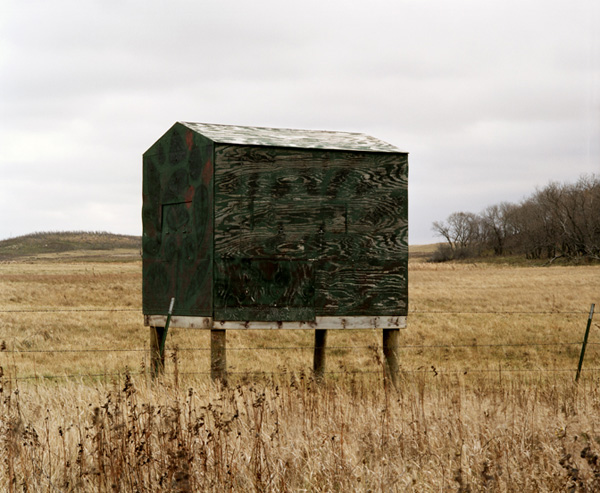
BL: Two aspects really define my attraction to hunting; one is the North Dakota agricultural location in seasonal transition. The fall colors begin to shift and falling temperatures bring the migratory Canadian birds into the area in great numbers, which to witness is amazing. We have been hunting in the same county for 11 years or so, and having the opportunity to return to this area is like having a constant in my life, comparable to the comfort of returning to one’s family summer home.
The second defining aspect is the camaraderie between my father, the friends we hunt with, and myself. This second aspect, I must admit, is an area of interest that has not yet presented itself visually in the photographs. Concerning making new work, that relationship is something that has my attention.