
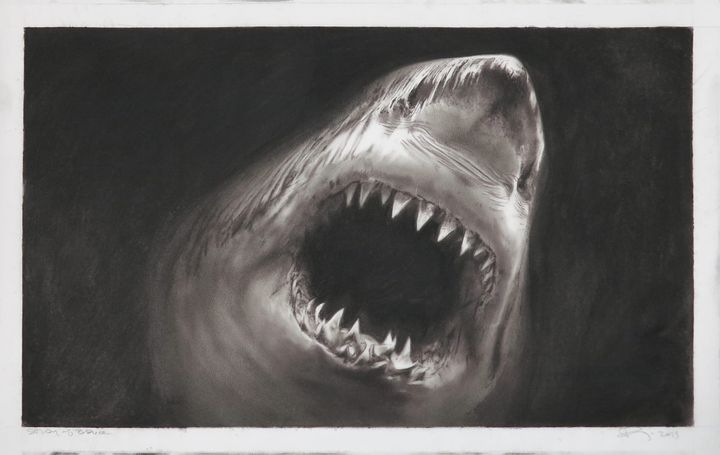
This Was No Accident
Forty years after “Jaws,” why the very first blockbuster should be considered art—and how it helped one man to survive.
Forty years after “Jaws,” why the very first blockbuster should be considered art—and how it helped one man to survive.
In a life of perpetual movement, the moment arrives when you find yourself desperate for stillness.
New clothes, AP classes, middle-aged angst. A New York City mom reflects on being pulverized by the first day of school.
Here comes summer, when the yoke of responsibility loosens. We all have our past indiscretions, but they’re too sordid to sign our names to—so we’ve removed the names and rearranged the text to protect the guilty.
Every generation gets the fictional doomsday it desires. What we learned during our dystopian, end-of-the-world summer vacation at the movies.
When a vacation rental doesn’t live up to expectations, when that “charming Montauk cabin” turns out to be a shed, one family’s solution is passive-aggressive guestbook commentary.
Good old Earth was nearly destroyed, almost extinguished, and threatened with slaughter every hour in cinemas this summer. And yet, here we are. Our film critics pinpoint the collapse of the apocalypse genre.
Artist colonies are mysterious places. Available only to a select few, supposedly teeming with alcohol, affairs, and creative hoodoo. But the rumors aren't true—they just lack detail. Scenes and lessons from three residencies.
Each summer, certain songs are unofficially recognized as those that fill dance floors, roll down windows, and in general get this party started. Our staff and readers recall the best music from their best summers.
We vacation to remove ourselves from our everyday experience—but what satisfies the itch more: huddling in a Cold War housing block or lounging poolside at Sandals? A look at the line between far away and too far away.