
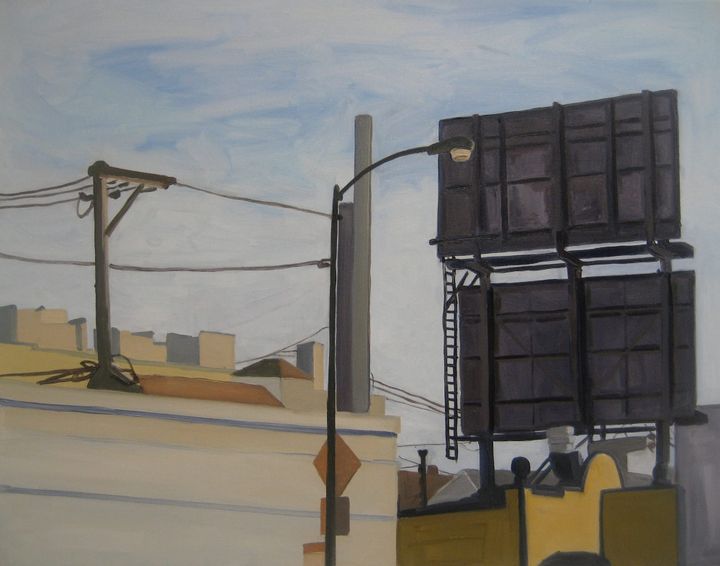
Nobody Says I Love You Anymore
I’ve spent my life complaining and arguing and telling stories about the city I came from. Then I changed—but it did, too.
I’ve spent my life complaining and arguing and telling stories about the city I came from. Then I changed—but it did, too.
Today marks the 75th anniversary of H.P. Lovecraft's death. From Stephen King's It to “The Call of Cthulhu,” a survey of the 20th century's greatest horror writer's afterlife of influence.
Some decisions are best made heedlessly, based on the chance for an epic story—and some people think like that all the time. A report on what it’s like to slide down a volcano on a piece of sheet metal at 55 mph.
Our Man in Boston sits down for this third conversation with author, critic, and book-world majordomo Sven Birkerts to talk about the current reviewing situation, the best books of 2000, and Amy Winehouse.
In New York’s St. John the Divine Cathedral, a letter to a dead man, tucked under a plaque near his ashes, offers the first and only clue in a mystery about faith.
Every artist deals with critics differently—Richard Ford spitting on Colson Whitehead, for example. But the rule is to avoid direct contact. Not for John Warner, debut novelist, who decided to seek out the man behind his worst review.
Ted Williams’s last game for the Red Sox was almost a flop. But it provided fuel for one of the best sports essays of all time—until the author started tinkering. On baseball, “The Simpsons,” and the creative impulse to never stop.
If distractions poison a writer’s ambitions, then surely a summer with no internet access is the antidote?
Don’t be fooled by the hand-lettering trend in movie posters and book covers—cursive is dead. Who cares? A million angry commenters around the web who extol the virtues of loops and curls. But the traditional form has a history that’s less than precious.
Our man in Boston and Jim Shepard, the author most recently of You Think That's Bad, discuss whacko projects, researching short stories by jet, and how much gold it takes for a writer to dump Knopf's Gary Fisketjon.